Delving into Hanson Home Improvement: Siding and Roofing Material Comparison, this introduction immerses readers in a unique and compelling narrative that explores the various siding and roofing materials available for homes. From the durability of vinyl to the environmental impact of metal roofing, this overview sets the stage for an informative discussion on making the right choices for your home improvement projects.
As we delve deeper into the types of siding materials and roofing options, you'll gain valuable insights into factors to consider and the installation process, helping you make informed decisions for your home.
Types of Siding Materials
When it comes to choosing the right siding material for your home, there are several options available, each with its own set of advantages and considerations. Let's explore the different types of siding materials to help you make an informed decision.
Vinyl Siding
- Vinyl siding is a popular choice due to its affordability and low maintenance requirements.
- It is durable and resistant to rot, fading, and insect damage.
- However, vinyl siding can crack in extreme weather conditions and may not be as environmentally friendly as other options.
Wood Siding
- Wood siding offers a natural and timeless look that can enhance the aesthetic appeal of your home.
- It is biodegradable and can be easily painted or stained to match your desired color scheme.
- However, wood siding requires regular maintenance, including sealing, staining, and painting to prevent rot and decay.
Fiber Cement Siding
- Fiber cement siding is a durable and low-maintenance option that is resistant to fire, insects, and rot.
- It can mimic the look of wood or stucco without the same level of maintenance required.
- However, fiber cement siding can be more expensive upfront compared to other materials.
Metal Siding
- Metal siding is known for its strength, durability, and resistance to fire, insects, and rot.
- It is available in a variety of finishes and can provide a modern or industrial aesthetic to your home.
- However, metal siding may dent or scratch easily and can be more prone to corrosion in certain environments.
Roofing Material Options
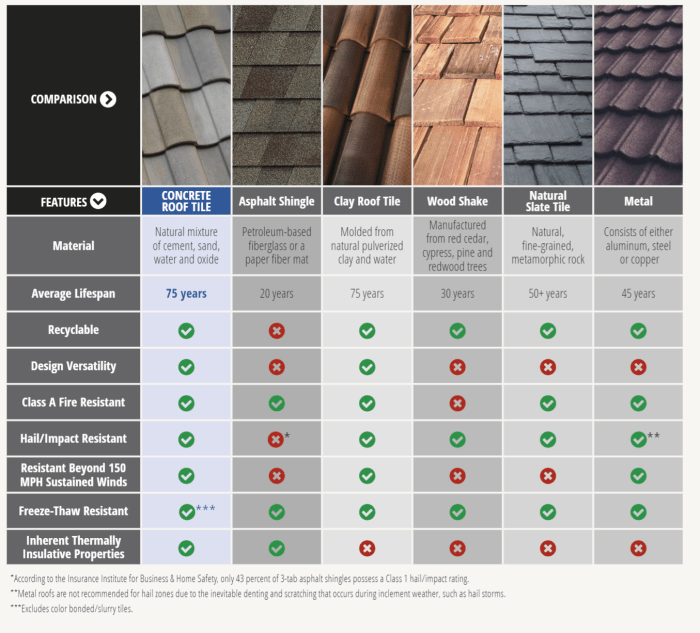
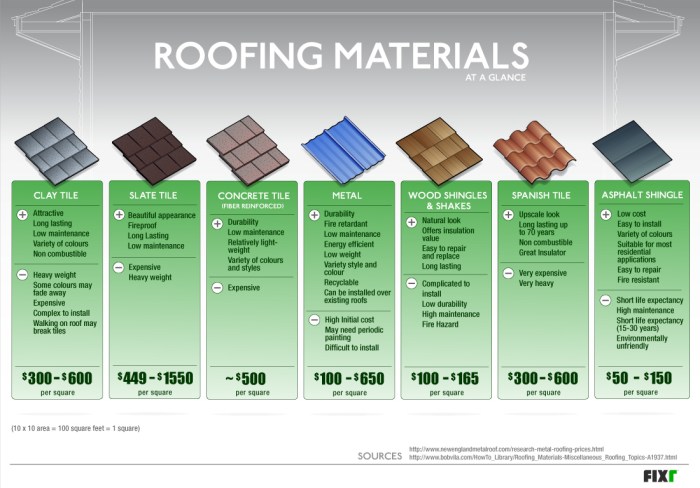
When it comes to roofing materials for home improvement projects, there are several common options to consider. Each type of material comes with its own set of characteristics, including cost, lifespan, warranty, and environmental impact.Asphalt Shingles:Asphalt shingles are one of the most popular roofing materials due to their affordability and ease of installation.
They come in a variety of colors and styles to suit different preferences. Asphalt shingles typically have a lifespan of 20-30 years and often come with warranties ranging from 15-30 years. While asphalt shingles are cost-effective, they are not the most environmentally friendly option as they contribute to landfill waste.Metal Roofing:Metal roofing is known for its durability and longevity, with a lifespan of 40-70 years or more.
While metal roofing can be more expensive upfront compared to asphalt shingles, it is a long-term investment that can increase the value of your home. Metal roofing materials often come with warranties of 30-50 years and are recyclable, making them a more sustainable choice.Clay Tiles:Clay tiles are a popular choice for homeowners looking for a more traditional and aesthetically pleasing roofing option.
While clay tiles can be more costly than asphalt shingles and metal roofing, they have a lifespan of 50-100 years or more. Clay tiles are also energy-efficient and environmentally friendly, as they are made from natural materials and can be recycled.Wood Shakes:Wood shakes offer a natural and rustic look to a home but require more maintenance compared to other roofing materials.
Wood shakes have a lifespan of 20-40 years and are typically more expensive than asphalt shingles. While wood shakes can add charm to a home, they are not as durable as metal or clay tiles and may not be the most cost-effective option in the long run.Overall, the choice of roofing material will depend on factors such as budget, aesthetics, durability, and environmental impact.
It's essential to weigh the pros and cons of each material carefully before making a decision for your home improvement project.
Factors to Consider
When choosing siding materials for your home, there are several key factors that homeowners should take into consideration to ensure they make the best choice for their needs and preferences. Factors such as durability, maintenance requirements, cost, and aesthetics play a crucial role in selecting the right siding material.Climate and location also have a significant impact on the selection of roofing materials.
Different climates require different types of roofing materials to withstand extreme weather conditions such as heavy rain, snow, wind, or intense sunlight
Opting for materials that offer good insulation properties can help improve energy efficiency in your home, reducing heating and cooling costs over time. Additionally, energy-efficient materials contribute to a more sustainable and environmentally friendly home.When selecting siding and roofing materials, it is important to choose options that complement the architectural style of your home.
The materials you choose should enhance the overall aesthetic appeal of your property while also providing functionality and protection. Consider the color, texture, and design elements of the materials to ensure they blend seamlessly with the existing architectural features of your home.
Tips for Selecting Materials
- Consult with a professional contractor to assess your home's specific needs and recommend suitable siding and roofing materials.
- Consider the long-term maintenance requirements of different materials to ensure you can properly care for and maintain them over time.
- Look for materials that offer warranties or guarantees to provide added peace of mind regarding their durability and performance.
- Take into account the overall cost of materials, installation, and maintenance to determine the most cost-effective option for your budget.
- Explore different material options to find the best fit for your home's style, climate, and energy efficiency goals.
Installation Process
When it comes to the installation process for siding materials and roofing, proper preparation and finishing are key to ensuring a successful and long-lasting result. It is important to consider the complexity of each material and the need for professional installation to achieve the desired outcome.
Siding Materials Installation
- Before installing siding materials such as vinyl, wood, or fiber cement, the surface must be properly prepared by cleaning and repairing any existing damage.
- Each type of siding material has its own specific installation process, including the use of appropriate tools and techniques.
- Proper finishing, such as caulking and painting, is essential to protect the siding from moisture and ensure its durability over time.
Roofing Material Installation
- Installing asphalt shingles involves preparing the roof deck, laying down underlayment, and then applying the shingles in overlapping rows.
- Metal roofing installation can be more complex due to the need for specialized tools and techniques to cut and secure the metal panels properly.
- Proper ventilation is crucial during roof installation to prevent moisture buildup and ensure the longevity of the roofing materials.
Hiring Professional Contractors
- When it comes to siding and roofing projects, hiring professional contractors is highly recommended to ensure quality workmanship and adherence to safety standards.
- Professional contractors have the expertise and experience to handle the installation process efficiently and effectively, saving time and reducing the risk of costly mistakes.
- Before hiring a contractor, make sure to check their credentials, read reviews, and get multiple quotes to compare prices and services.
Summary
In conclusion, Hanson Home Improvement: Siding and Roofing Material Comparison offers a comprehensive guide to navigating the world of siding and roofing materials. By understanding the differences in durability, cost, and environmental impact, you can make informed choices that enhance the beauty and functionality of your home.
Dive into the world of home improvement with confidence, armed with the knowledge to transform your living space into a masterpiece.
FAQs
What are some key factors to consider when choosing siding materials?
Factors to consider include durability, maintenance requirements, and how well the material complements your home's architectural style.
How does climate and location influence the selection of roofing materials?
Climate and location impact the choice of roofing materials by determining factors like resistance to extreme weather conditions and energy efficiency requirements.
Why is proper ventilation important during roof installation?
Proper ventilation ensures that moisture and heat are regulated effectively, preventing issues like mold growth and premature roof deterioration.
How can I find professional contractors for my siding and roofing projects?
You can find reputable contractors by asking for recommendations, checking online reviews, and verifying licenses and insurance to ensure quality workmanship.