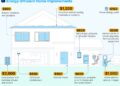
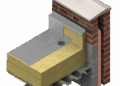
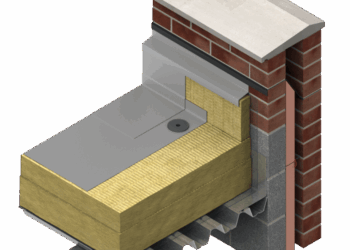
Northern Home Improvement: Smart Upgrades to Beat the Cold sets the stage for this enthralling narrative, offering readers a glimpse into a story that is rich in detail with casual formal language style and brimming with originality from the outset.
As we delve deeper into the world of smart upgrades for insulation, energy-efficient heating systems, weatherproofing windows and doors, and roof and attic upgrades, readers will uncover a wealth of valuable information to combat the cold effectively.
Smart Upgrades for Insulation
Upgrading insulation in Northern homes is crucial for keeping the cold out and the warmth in during the winter months. Here are some smart upgrades to consider:
Different Types of Insulation
- Spray Foam Insulation: This type of insulation provides a tight seal and is great for filling gaps and crevices.
- Fiberglass Insulation: A common choice that is affordable and effective at reducing heat loss.
- Cellulose Insulation: Made from recycled paper, this option is eco-friendly and offers good thermal performance.
Benefits of Upgrading Insulation
- Increased Energy Efficiency: Proper insulation helps reduce heating costs by preventing heat loss.
- Improved Comfort: Better insulation means more consistent temperatures throughout the home.
- Noise Reduction: Insulation can also help dampen noise from outside sources.
Traditional Insulation vs. Newer Alternatives
- Traditional insulation like fiberglass is cost-effective but may not provide as tight of a seal as newer alternatives like spray foam insulation.
- Newer alternatives may have higher upfront costs but can offer better energy efficiency and long-term savings.
DIY Insulation Projects Tips
- Start by identifying areas in your home that need insulation, such as attics, walls, and basements.
- Ensure proper ventilation to prevent moisture buildup when adding insulation.
- Follow manufacturer instructions carefully when installing insulation to maximize its effectiveness.
Energy-Efficient Heating Systems
Energy-efficient heating systems are crucial in cold climates as they help maintain a comfortable indoor temperature while reducing energy consumption and costs. By upgrading to energy-efficient options, homeowners can enjoy a warmer home without breaking the bank.
Comparing Heating Options
When considering heating options, there are a few key choices to explore:
- Radiant Floor Heating: This system involves heating the floor directly, providing consistent warmth throughout the room.
- Heat Pumps: These devices transfer heat from the air or ground into the home, offering an efficient way to heat the space.
- Smart Thermostats: These programmable devices help regulate temperature settings, optimizing energy usage and reducing heat loss.
Cost Savings and Efficiency
Upgrading to energy-efficient heating systems can lead to significant cost savings over time. By reducing energy consumption, homeowners can lower their utility bills while also minimizing their environmental impact.
Installation and Maintenance
When installing energy-efficient heating systems, it is essential to work with professionals to ensure proper setup and functionality. Regular maintenance is also key to keeping the systems running efficiently and extending their lifespan.
Weatherproofing Windows and Doors
Weatherproofing windows and doors is crucial in cold weather to prevent heat loss, reduce energy bills, and maintain a comfortable indoor temperature. Properly sealed windows and doors can also prevent drafts, moisture buildup, and damage to your home.
Step-by-Step Guide to Weatherproofing Windows and Doors
- Inspect windows and doors for gaps, cracks, or damaged seals.
- Apply weatherstripping around the edges of windows and doors to create a tight seal.
- Use caulk to fill in any gaps between the window/door frame and the wall.
- Install storm windows or doors for an extra layer of insulation.
- Add draft stoppers or door sweeps to the bottom of doors to prevent drafts.
Impact of Energy Loss Through Inefficient Windows and Doors
Improperly sealed windows and doors can account for a significant amount of energy loss in a home, leading to higher heating costs and reduced comfort. According to the U.S. Department of Energy, air leakage through windows and doors can contribute to 25-30% of the total energy used for heating and cooling.
Recommendations for Choosing the Right Weatherproofing Materials
- Opt for high-quality weatherstripping materials that are durable and provide a tight seal.
- Choose caulk that is suitable for the material of your windows and doors (wood, metal, vinyl, etc.)
- Select storm windows or doors made of energy-efficient materials like low-emissivity glass.
- Consider using thermal curtains or window films for an added layer of insulation.
Roof and Attic Upgrades
When it comes to maintaining a warm and energy-efficient home, roofs and attics play a crucial role. Upgrading these areas can significantly improve insulation and help prevent heat loss during the cold months.
Benefits of Upgrading Roofs and Attics
- Improved insulation: Upgrading roofs and attics can enhance the overall insulation of your home, keeping it warm and cozy.
- Energy efficiency: By reducing heat loss through the roof and attic, you can lower your energy bills and decrease your carbon footprint.
- Preventing damage: Upgrades can help prevent issues like ice dams and water leaks, which can cause costly damage to your home.
Common Issues Leading to Heat Loss
- Poor insulation: Inadequate insulation in the attic or roof can result in significant heat loss.
- Air leaks: Gaps and cracks in the roof or attic can allow warm air to escape and cold air to seep in.
- Old roofing materials: Aging or damaged roofing materials can compromise the integrity of your roof and lead to heat loss.
Roofing Materials and Attic Insulation Options
- Asphalt shingles: One of the most common roofing materials, asphalt shingles are cost-effective and durable.
- Metal roofing: Known for its longevity and energy efficiency, metal roofing can be a great option for upgrading your roof.
- Spray foam insulation: This type of insulation provides a seamless barrier against air infiltration and can improve the overall energy efficiency of your home.
- Fiberglass batts: Easy to install and relatively affordable, fiberglass batts are a popular choice for attic insulation.
Final Thoughts
In conclusion, Northern Home Improvement: Smart Upgrades to Beat the Cold equips homeowners with the knowledge and tools necessary to enhance their living spaces and stay warm during the chilly winter months. By implementing these smart upgrades, individuals can create a cozy and energy-efficient environment that withstands the harshest of cold weather.
Expert Answers
What are the benefits of upgrading insulation in Northern homes?
Upgrading insulation in Northern homes helps in retaining heat, reducing energy costs, and creating a more comfortable living environment during cold weather.
How can energy-efficient heating systems lead to cost savings?
Energy-efficient heating systems consume less energy to maintain comfortable temperatures, resulting in lower utility bills and long-term cost savings.
What are common issues in roofs and attics that lead to heat loss?
Common issues include poor insulation, air leaks, and damaged roofing materials, all of which contribute to heat loss in homes.